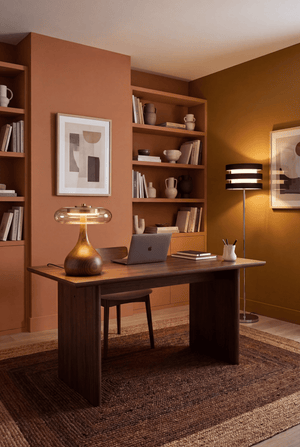
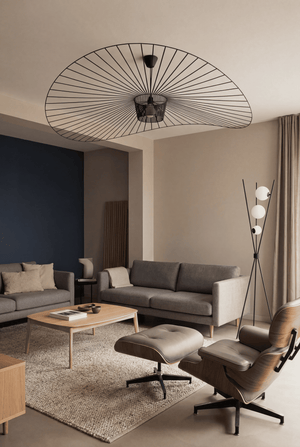

Living room lighting for autumn: creating a warm atmosphere
The arrival of autumn marks a turning point in our home lighting habits. With the gradual decrease in natural brightness and shorter days, your living room requires a reimagined lighting approach to maintain visual comfort and well-being. This seasonal transition is the perfect opportunity to create autumn living room lighting that combines functionality and aesthetics.
The fundamentals of autumn lighting for the living room
A warm living room atmosphere is based on several essential lighting principles. Color temperature is the first parameter to master: choose light sources between 2700K and 3000K to achieve that golden hue so characteristic of cozy interiors. This thermal range promotes melatonin production in the evening, making it easier to transition to rest.
Light intensity must also adapt to the new conditions. Your living room requires about 100 to 150 lumens per square meter for general lighting, but this value can be adjusted according to activity zones. Reading or work areas need up to 300 lumens per square meter, while relaxation zones are fine with 50 to 80 lumens.
Layered lighting becomes crucial in autumn. This approach involves combining three levels of lighting: general lighting for overall visibility, task lighting for specific activities, and ambient lighting to create the desired atmosphere.
Designer pendant lights: rethinking the main lighting
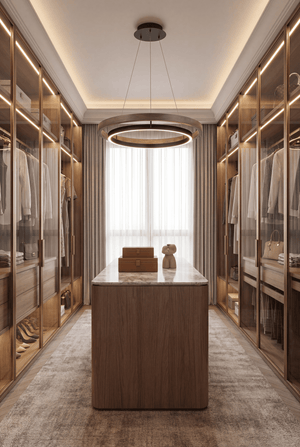
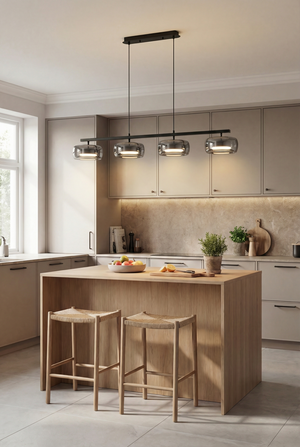
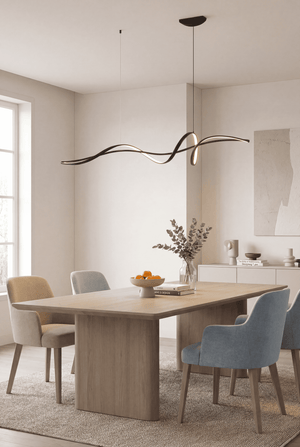
Pendant lights are the backbone of your autumn lighting setup. Ideally positioned 70-80 centimeters above the coffee table or the central point of the living room, they provide even illumination throughout the space. The choice of diffuser directly affects the quality of the light: frosted glass shades offer uniform distribution, while perforated metal models create sophisticated shadow effects.
To optimize lighting efficiency, look for autumn design fixtures equipped with the latest generation LED sources. These technologies offer a Color Rendering Index (CRI) above 90, ensuring faithful reproduction of your autumn decor's colors. The warm shades of textiles, the coppery hues of accessories, and the woody tones thus regain all their richness.
The diffusion angle deserves special attention. A 120-degree angle is ideal for general ambient lighting, while a 60-degree angle focuses light on specific areas. This technical feature allows you to adapt the lighting to your living room's layout.
Materials and finishes for autumn
The materials of your pendant lights greatly influence the overall ambiance. Brushed brass and patinated copper naturally harmonize with autumn colors and bring the sought-after visual warmth. Amber glass filters the light, giving it golden tones that are particularly suited to this season.
Matte finishes partially absorb light, creating subtle contrasts that enrich the atmosphere. In contrast, glossy finishes reflect and amplify brightness, which is especially appreciated when natural light diminishes.
Optimizing multiple light sources
Creating a cozy indoor lighting atmosphere relies on multiplying light sources. This approach allows for fine-tuned ambiance modulation according to the time of day and activities. Installing dimmers on each lighting circuit provides precise intensity control, with energy savings of up to 30% on electricity consumption.
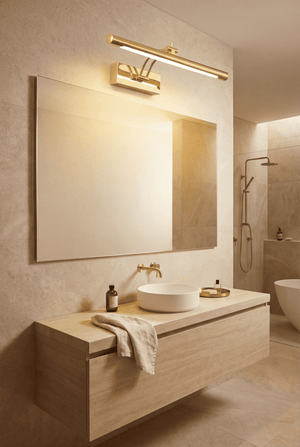
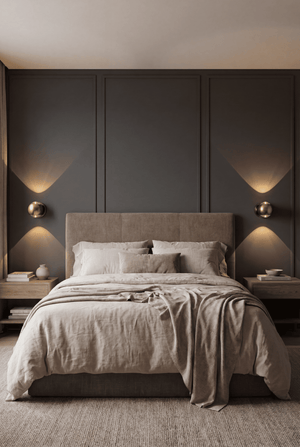
Wall sconces are the perfect complement to main lighting. Installed at 1.7-1.8m from the floor, they create indirect light that enhances the space and avoids unpleasant shadow zones. Their strategic placement highlights specific decorative elements: paintings, bookshelves, or even wall textures.
Accent lighting becomes especially important with the return of early evenings. Table lamps provide that sought-after luminous intimacy in autumn. Their flexible use allows them to be moved as needed, creating islands of soft light for reading or relaxing.
Indirect lighting techniques
Indirect lighting reveals all its magic in autumn. This technique involves directing light onto reflective surfaces (ceilings, light-colored walls) which then redistribute it evenly. The result? A soft ambiance without glare, ideal for long autumn evenings.
Floor lamps with indirect lighting are excellent choices for this approach. Placed in the corners of the living room, they create a luminous halo that visually enlarges the space while maintaining a warm atmosphere.
LED technologies and lighting well-being
Modern LED technologies are revolutionizing the approach to autumn home lighting. With a lifespan of 25,000 to 50,000 hours, these light sources will brighten your autumn evenings for many years. Their low heat emission (less than 5% of the energy consumed) makes them particularly suitable for delicate fixtures.
The dimmable function becomes essential in autumn. This feature allows you to adjust the light intensity to natural variations in brightness, creating a harmonious transition between day and night. The most sophisticated models even offer automatic color temperature adjustment, simulating the natural changes of sunlight.
Energy efficiency deserves attention: look for lighting fixtures with at least 100 lumens per watt. This performance ensures optimal lighting while controlling electricity consumption, which is especially important during long autumn evenings.
Impacts on the circadian rhythm
Your autumn lighting directly influences your physiological well-being. Blue light (temperature above 4000K) stimulates cortisol production and keeps you alert. Conversely, warm temperatures below 3000K promote melatonin secretion and naturally prepare you for sleep.
This scientific knowledge guides your choice of lighting: favor warm light sources in the evening and reserve neutral lighting (4000K) for activities that require sustained concentration, such as reading or working.
Decorative harmony and autumn colors
Integrating your modern living room pendant light into the autumnal decorative universe requires careful consideration of color schemes. The dominant colors of this season—ochres, deep reds, warm browns—find a natural echo in the copper, gold, or patinated bronze finishes of your lighting fixtures.
Natural materials such as solid wood, woven rattan, or handcrafted ceramics blend perfectly with the autumn spirit. These organic textures bring the sought-after authenticity to contemporary interiors, while diffusing a soft and natural light.
The combination of contrasting materials visually enriches the space: matte black metal and clear glass, brushed brass and linen fabric, natural wood and glazed ceramic. These combinations create plays of texture that subtly capture and reflect the light.
Colors and the psychology of lighting
The colors of autumn influence our psychological perception of space. Warm tones create a sense of closeness and intimacy, transforming a spacious living room into a welcoming cocoon. This transformation is especially beneficial during the months when we spend more time indoors.
The golden hues of lighting 2700K naturally enhance autumn textiles: burgundy velvet, ecru wools, and aged leathers reveal all their richness under this gentle light.
Installation and optimal positioning
Installing your autumn lighting system requires careful planning. Suspension height plays a crucial role: too low, it obstructs movement and creates spot lighting; too high, it loses lighting efficiency. The rule of at least 2.10m between the floor and the lowest point of your fixture ensures safety and comfort of use.
The spatial distribution of light points follows precise rules. In a 25m² living room, plan for at least 4 to 5 different sources to avoid shadowy areas. This multiplication also allows you to create varied atmospheres depending on the time of day.
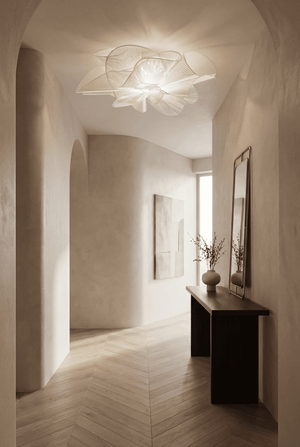
Modern ceiling lights offer an interesting alternative to traditional pendant lights, especially in rooms with low ceilings. Their slim profile visually frees up space while providing effective general lighting.
Electrical circuits and controls
The electrical management of your autumn lighting deserves special attention. Installing several independent circuits allows for precise control of each lighting zone. Modern home automation systems even offer automatic programming, adapting the lighting to family routines.
LED-compatible electronic dimmers ensure smooth, flicker-free modulation. This technology preserves the lifespan of your bulbs while providing optimal visual comfort.
Seasonal maintenance and durability
Maintaining your autumn lighting fixtures extends their efficiency and preserves their appearance. Dust accumulated on diffusers can reduce light output by up to 30%. A monthly cleaning with a slightly damp microfiber cloth is sufficient for most materials.
Quality LED bulbs retain 80% of their initial output after 25,000 hours of use, or about 15 years of normal domestic use. This remarkable longevity makes them particularly suitable for hard-to-reach fixtures.
Investing in quality autumn design lighting fixtures proves economical in the long run. Premium materials better withstand temperature variations and retain their aesthetic appearance throughout the seasons.
Winter preparation for your lighting begins in autumn. Check the condition of your dimmers, test dimmable functions, and proactively replace bulbs nearing the end of their life. This preventive maintenance avoids breakdowns during the long winter evenings.
Frequently asked questions about living room lighting in autumn
What color temperature should you choose for warm autumn living room lighting?
To create a warm atmosphere in autumn, choose a color temperature between 2700K and 3000K. This range offers a golden light that promotes relaxation and harmonizes perfectly with autumn colors. Avoid temperatures above 4000K, which create a cold ambiance inappropriate for this season.
How many light points should you plan for a 20m² living room in autumn?
In a 20m² living room, install at least 4 to 5 different light sources: a central pendant, 2 wall sconces, 1 to 2 accent lamps. This distribution provides 100 to 150 lumens per m² for general lighting and allows you to create adjustable atmospheres according to activities and times of day.
At what height should a pendant light be installed above a coffee table?
Install your pendant light 70-80 cm above the coffee table for optimal lighting. This distance ensures even illumination of the surface while avoiding glare. Also maintain a minimum height of 2.10 m between the floor and the lowest point of the fixture for easy movement.
Do dimmable LEDs consume less energy in autumn?
Yes, dimmable LEDs can save up to 30% energy in autumn. By reducing the light intensity as needed (cozy evenings, relaxing activities), you automatically lower consumption. Choose models with a minimum output of 100 lumens per watt to optimize energy efficiency.